The coast / Le littoral
Douala, the working port city
Most journeys to Cameroon begin in Douala, a hot, crowded and energetic port on the Wouri estuary that rewards a day or two of curiosity rather than a hurried exit.
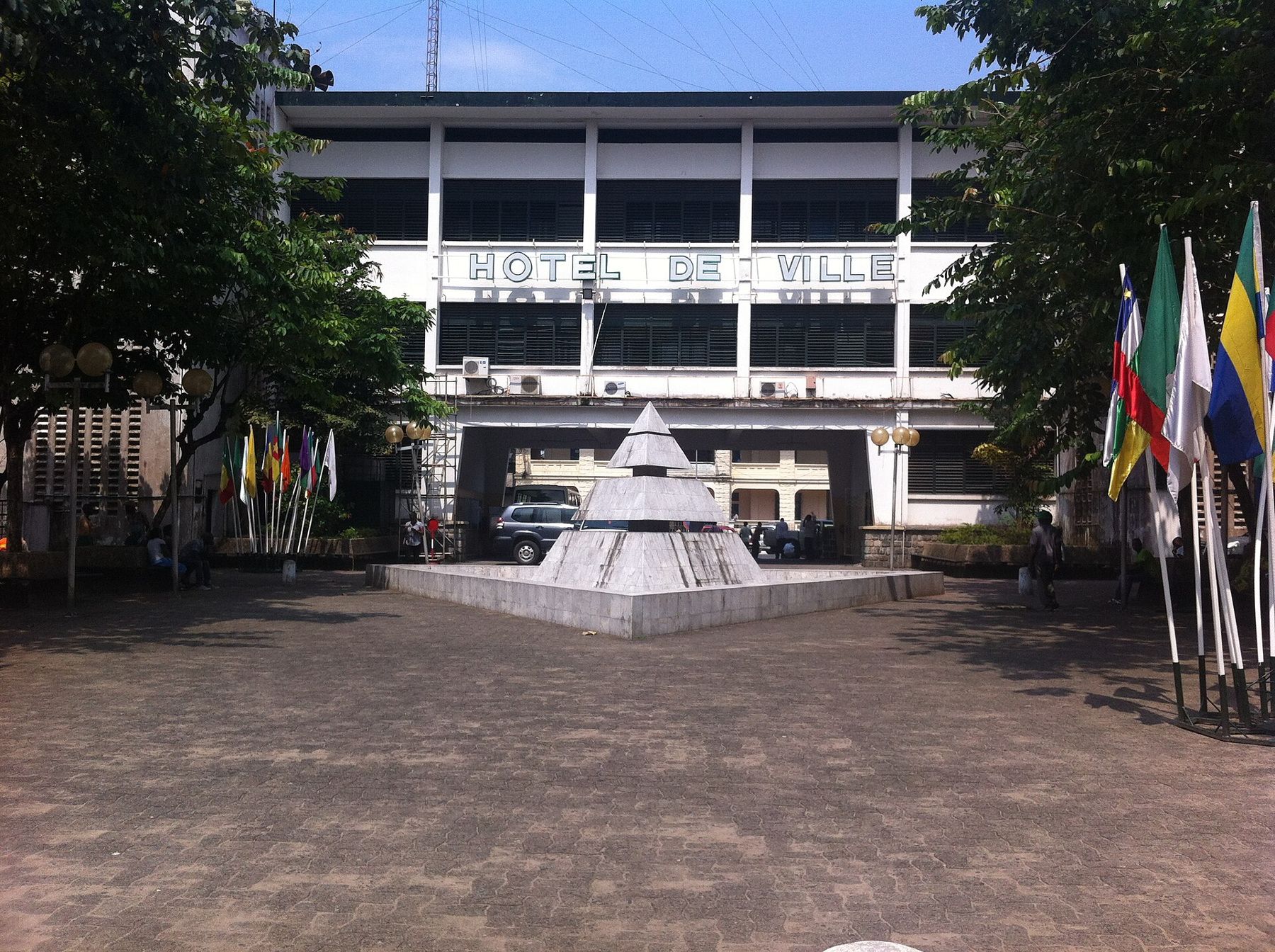
Douala is Cameroon's largest city and its economic engine. It sprawls along the banks of the Wouri estuary close to the Atlantic, and most of the country's imports and exports pass through its port. It is hot, humid, loud and busy, and few visitors would call it beautiful. Give it a little time, though, and it shows a long history, lively neighbourhoods and some of the best street food in the country.
A city built on the estuary Une ville bâtie sur l'estuaire
Portuguese sailors reached the estuary in the fifteenth century and, finding it full of prawns, named the river Rio dos Camarões, the river of prawns. That name, passed through several languages, gave the whole country its name. The land around the estuary belongs to the Duala people, whose kings traded with European ships for centuries.
In 1884 Duala rulers signed a treaty with Germany, and the town became the main port of German Kamerun. After the First World War the French ran it under a League of Nations mandate, and it remained the commercial capital after independence in 1960. Yaoundé is the political capital; Douala is where business is done.
The city has grown enormously since then, drawing people from every region of the country. You will hear French above all, but also Duala, Pidgin English, Bamileke languages and many others in the markets and buses. That mix is part of its character: Douala is where much of Cameroon meets, trades and argues, and where new music, fashion and slang often appear first.
Arriving in Douala Arriver à Douala
Douala International Airport is the main gateway to the country. Arrange your first night and transport into town before you land, since arriving after dark in an unfamiliar city is tiring. Have your passport, visa and yellow fever certificate ready for inspection; rules change, so check them well before you travel, and see planning a trip to Cameroon for the wider picture.
Shared yellow taxis run fixed routes across the city, and you hail them by calling out your destination; motorbike taxis are everywhere and fast, but accidents are common. For a first trip, a private taxi agreed in advance is the calmer choice.
Change some money or withdraw cash on arrival, as the CFA franc is used everywhere and cards are accepted only in larger hotels, supermarkets and some restaurants. Cash machines exist in the main districts but can be out of service, so do not rely on a single card. A local SIM card makes it much easier to call drivers and contacts; you will need your passport to register one.
Bonanjo and the colonial quarter Bonanjo et le quartier colonial
Bonanjo, on a low rise above the river, is the administrative heart of the city. Its streets hold government offices, banks and buildings from the German and French periods, and they are much quieter than the commercial districts. The town hall stands on an open square here, and the Pagoda, a palace built in the early 1900s for the Bell royal family, is one of the city's best-known buildings.
Detour / détourYaoundé, the city on seven hillsThe Bell family is part of an important story. In 1914 the German authorities executed Rudolf Duala Manga Bell, a Duala king who had opposed the seizure of his people's land. He is remembered today as a national hero. Walking through Bonanjo with that history in mind turns a district of offices into a place of memory.
Be discreet with your camera here. Government buildings, police and military sites should not be photographed, and an innocent picture of a street can lead to questions. When in doubt, ask, or leave the camera in your bag.
Markets and the working city Les marchés et la ville au travail
Akwa, next to Bonanjo, is the commercial centre, with shops, banks and crowded pavements. Douala's markets are vast and chaotic, selling everything from fabric and spices to car parts and phones. They are worth seeing, but go with a purpose, keep valuables out of sight and leave large bags at your lodging.
In the evenings, street stalls grill fish, chicken and skewers of beef, and the smell of charcoal drifts over every neighbourhood. This is a good place to try dishes such as ndolé or poulet DG; the guide to eating in Cameroon explains them.
Across the Wouri De l'autre côté du Wouri
Bridges carry road traffic over the Wouri to Bonabéri on the far bank, the start of the road west towards Limbe and Mount Cameroon. From the riverbanks you can watch canoes cross the wide brown water and fishermen working the mangrove channels, a reminder that the estuary is still a living waterway.
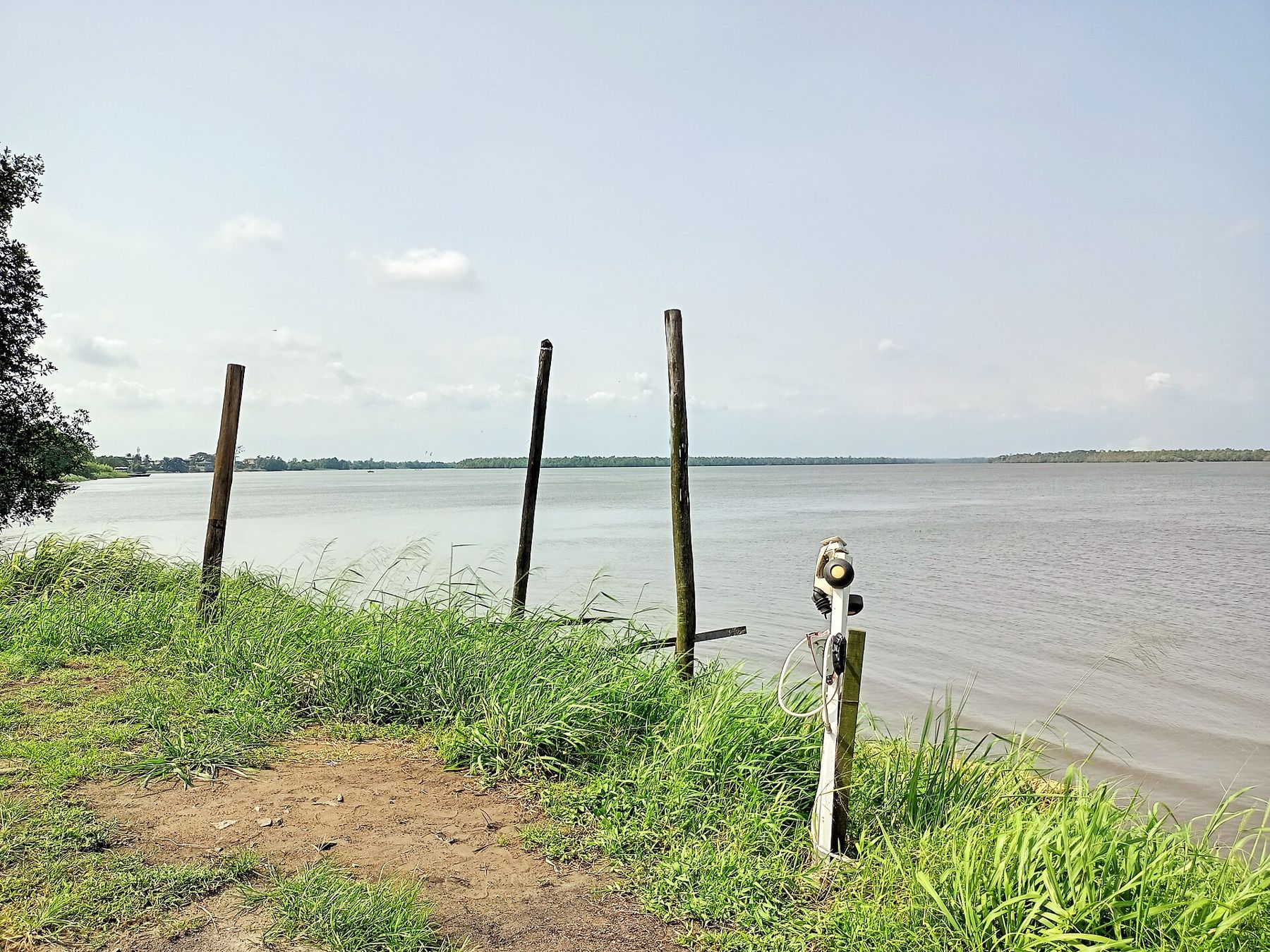
The Duala and other Sawa peoples of the coast hold the Ngondo, a traditional festival centred on the river, usually towards the end of the year. Dates and access for visitors vary, so check before you go.
Traffic, safety and timing Circulation, sécurité et horaires
Traffic is the city's great test. Rush hours are long, roads flood in heavy rain, and a short journey can take an hour. Plan one or two things a day rather than a packed schedule. Douala is among the wettest cities in Africa, with the heaviest rains in the middle of the year; the drier months around December to February are the most comfortable for exploring.
Petty theft and bag snatching happen, as in any large city. Carry a copy of your passport, keep your phone out of sight on busy streets and avoid walking alone at night. Douala is also the starting point for the coast south to Kribi and the Lobé falls and for the road to Yaoundé. Check your government's current travel advice before planning onward journeys.