The north / Le Septentrion
Waza National Park
On the dry plains south of Lake Chad, Waza was long Cameroon's best-known savanna park, with elephants, giraffes and antelope; today its future, and any visit, depend on security in the Far North.
Before anything else Avant toute chose
Waza National Park lies in the Far North region, close to the borders with Nigeria and Chad. This region has suffered serious attacks by armed groups for more than a decade, and kidnappings of both Cameroonians and foreigners have taken place in it. Many governments advise against all travel to the Far North, and tourism in Waza has nearly vanished.
The people who live around the park, herders, fishing families and farmers, have borne the worst of this insecurity, and many have been displaced. Read your government's current travel advice before planning anything. This guide describes the park as it is known and how visits used to work. It makes no claim that the area is safe now.
A Sahel park Un parc sahélien
Waza covers around 1,700 square kilometres of flat savanna south of Lake Chad. It was first protected as a hunting reserve and became a national park in 1968, and it is also a UNESCO biosphere reserve. The landscape changes from wooded savanna with acacias and doum palms in the south and west to open grassland and floodplains in the east, where the Logone River spreads its seasonal waters across the plain.
These floodplains, known locally as yaérés, are the heart of the park's ecology. When the rains come, water spreads over huge areas, grasses grow fast, and fish, birds and grazing animals follow. As the dry season goes on, the plain dries and animals gather around the remaining waterholes, which is why the late dry season was the best time for viewing.
The animals Les animaux
Waza has long been known for its elephants, which move seasonally across the region and sometimes far beyond the park. Giraffes, rare in Central Africa, live on the plains, and antelope such as kob, roan and topi graze the grasslands. Lions, hyenas and other predators were part of the park's fauna, though their numbers have fallen sharply.
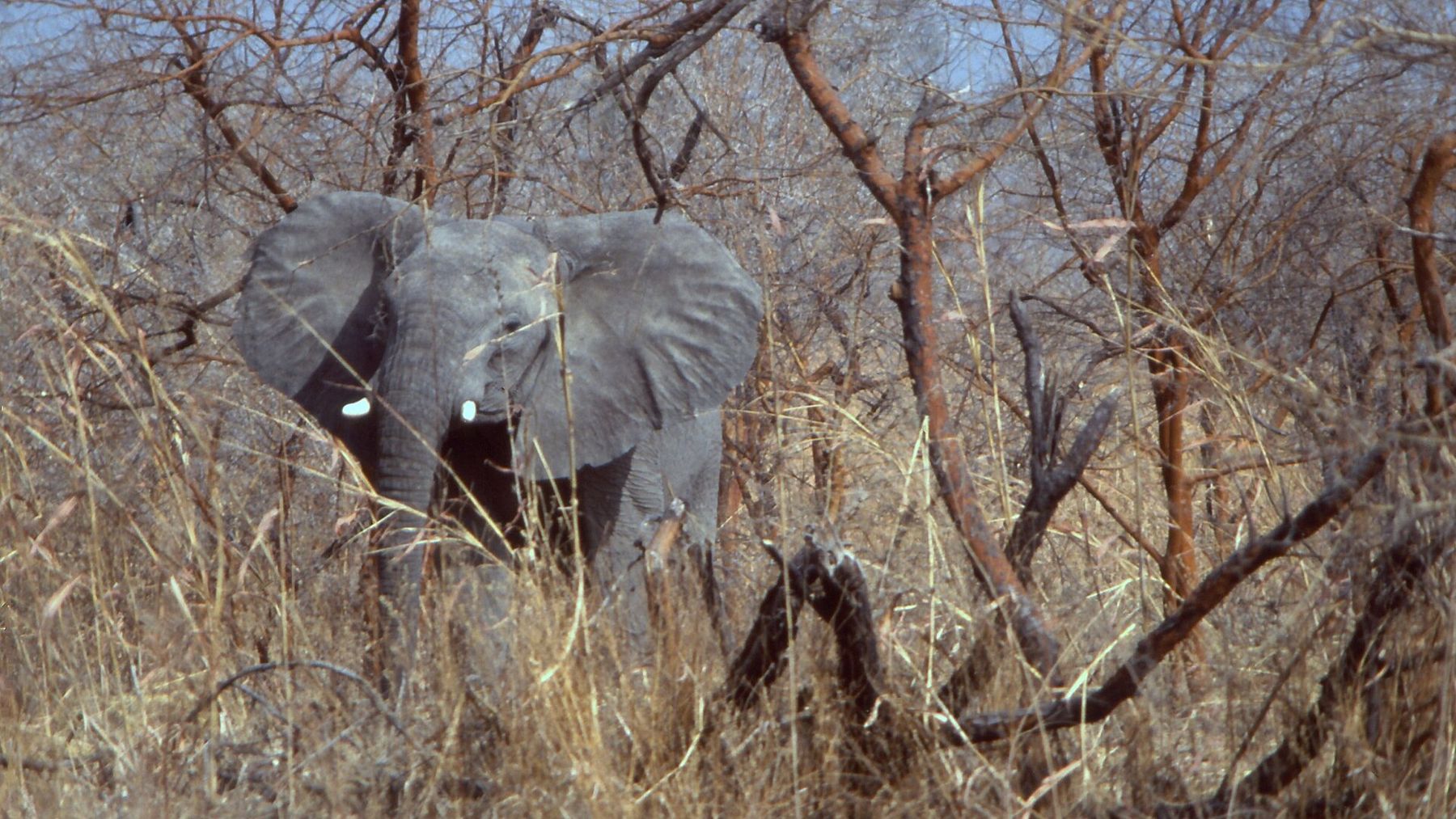
Smaller animals are part of the picture too: warthogs at the waterholes, jackals at dusk, monitor lizards along the channels, and ground squirrels darting between termite mounds. The termite mounds themselves, tall and red, are a feature of the plains, and many trees grow from old ones.
Birdlife is rich, especially near water: storks, cranes, pelicans, herons, bustards and many waterfowl, with large numbers of migrants from Europe in the northern winter.
Poaching, drought, competition with livestock for water and pasture, and changes to the floodplain from dams upstream have all reduced wildlife here. The insecurity of recent years has made protection harder still. What you would find today is uncertain, and any recent report from the park should be weighed with care.
Detour / détourRhumsiki and the Mandara peaksHow visits used to work Comment se passait une visite
The park entrance lies near the village of Waza, beside the main road from Maroua towards Kousseri and the Chadian border. Visitors paid entry and vehicle fees at the gate and were required to take an official park guide in their vehicle. Tracks ran across the park to waterholes and viewpoints, and a day was enough to see a good part of it. Simple accommodation stood near the entrance, and most visitors came from Maroua, a drive of a few hours.
The park was traditionally open in the dry season, roughly from November to June, and closed during the rains, when tracks become impassable. The best viewing came late in the dry season, from about March to May, when the heat is intense but animals crowd the water.
Rules, fees, opening dates and escort requirements change, and in a region like this they may change quickly. If travel becomes possible again, confirm everything with the park authorities and the regional administration in Maroua before you set out.
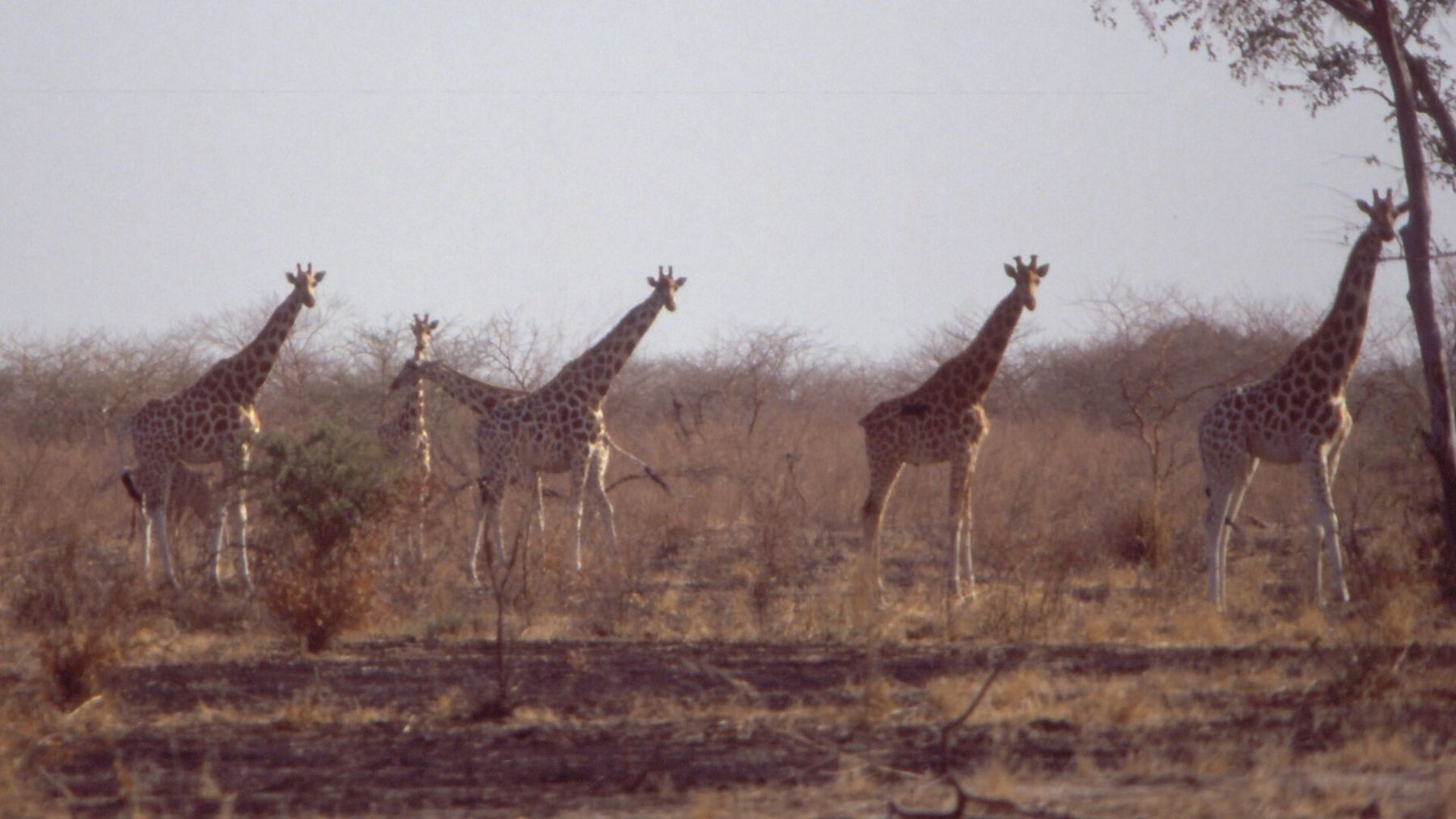
Giraffes on the plain Les girafes de la plaine
Giraffes are scarce in this part of Africa, and seeing them against a flat horizon of grass and acacia, in the long low light of a dry-season evening, is the image many people carry from the park.
They browse the tops of acacias and other thorny trees, and in the heat of the day they often stand still in what little shade there is. Early morning and late afternoon, when animals move to drink, were always the best times to be on the tracks.
Giraffes, like the elephants, depend on space: on corridors between the park and the land around it, and on herders, farmers and wildlife sharing the same plains. The future of the park rests on that balance, and on peace returning to the region.
The Far North in context Le Grand Nord en contexte
Waza is one part of a region with a long history: the Mandara Mountains to the south-west, described in Rhumsiki and the Mandara peaks, the city of Maroua, and the Logone plains running north to Lake Chad. Fulfulde, Kanuri, Arabic and many other languages are spoken alongside French.
The journey north from the forest and coast is long. The rail line from Yaoundé ends at Ngaoundéré, described in the Adamawa plateau story, and travel continues by road through Garoua to Maroua. For visas, health requirements and seasons across the country, see the guide to planning a trip. For now, the safest way to enjoy Cameroon's wildlife may be elsewhere: watch the advice, and wait for change.