The southern forest / La forêt du Sud
The Dja Faunal Reserve
One of the largest protected rainforests in Central Africa, almost wrapped in a loop of its own river, the Dja rewards patient travellers with forest, granite domes and the sounds of animals rarely seen.
A forest inside a river Une forêt dans un fleuve
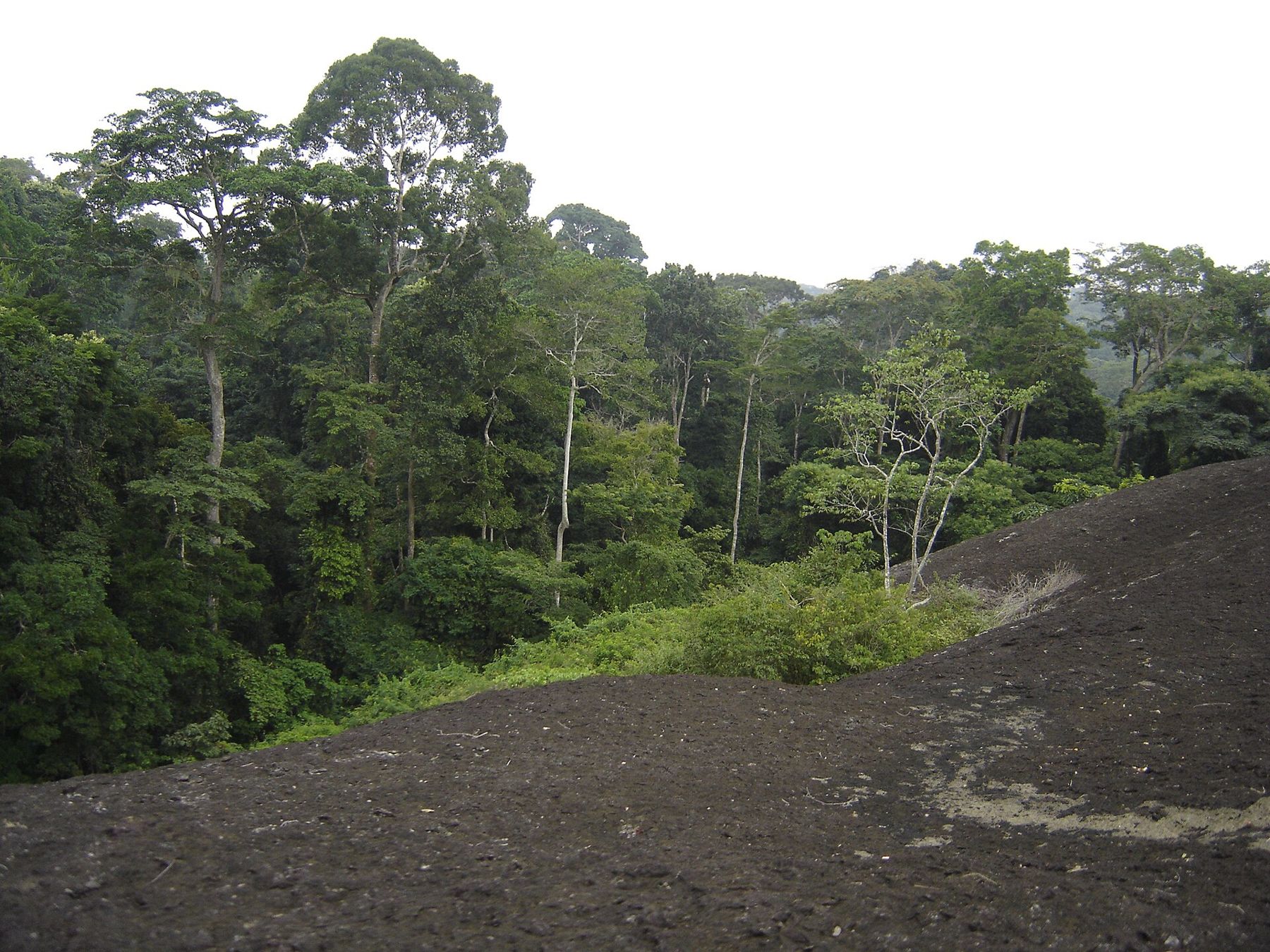
The Dja Faunal Reserve covers more than 5,000 square kilometres of lowland rainforest in southern Cameroon, most of it in the East region with its edge in the South. Its shape is defined by water: the Dja River loops around almost the whole reserve, forming a natural boundary on most sides. That river has helped protect the forest from roads and settlement, and it is a large part of why the reserve was inscribed as a UNESCO World Heritage Site in 1987.
Inside the loop, the forest is close to undisturbed. Tall trees with buttressed roots rise from a dim understorey of saplings, lianas and palms. In places the canopy breaks open over smooth granite domes, called inselbergs, where thin soil supports grasses and small trees and you can see out over the treetops for the first time in hours.
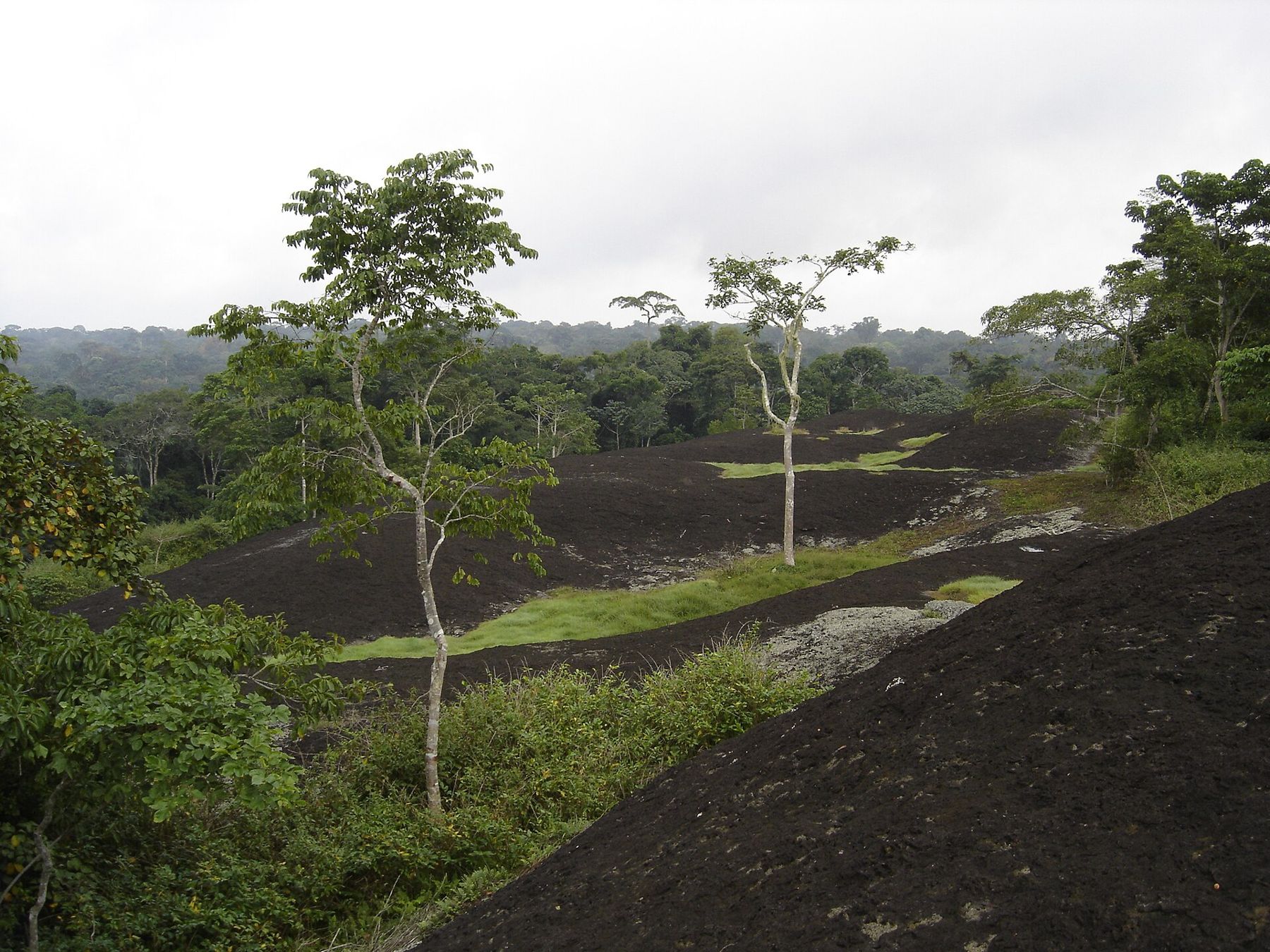
This is not a park with lodges, viewing roads or marked circuits. It is a reserve managed for conservation, with very little tourism, and a visit here feels more like an expedition than a holiday. If you want an easier taste of the southern forest, the coastal park described in Ebodjé turtles and Campo Ma'an is closer to paved roads.
What lives here La faune du Dja
The forest itself is the main event. Trees of dozens of species rise above you, some so wide that several people could not link arms around them, with strangler figs, epiphytes and climbing palms on every trunk. Butterflies gather on damp sand by streams, and at night the forest fills with the calls of frogs, insects and tree hyraxes.
The Dja is known for its primates. Western lowland gorillas and central chimpanzees live in the reserve, along with many monkey species, among them colobus, mangabeys and guenons. Forest elephants, forest buffalo, bongo and several kinds of duiker move through the trees, and pangolins and leopards are present though almost never seen. The bird list is long, and birders come for forest species that are hard to find elsewhere.
Seeing these animals is another matter. Forest wildlife is shy, the vegetation is dense, and many animals have learned to fear people because of hunting. You should not expect habituated gorilla groups of the kind visitors meet in some other African countries. Most days you hear far more than you see: monkeys crashing through branches, the calls of hornbills, the distant drumming of chimpanzees. Fresh tracks, feeding signs and nests are often the best evidence that the animals are near.
Most days you hear far more than you see: monkeys crashing through branches, the calls of hornbills, the distant drumming of chimpanzees.
Hunting for bushmeat, logging in the surrounding forest and new infrastructure on the river are real pressures on the reserve. The rangers and conservation workers who patrol it work in hard conditions, and responsible visits, with permits and local guides, put a little money into the communities that live around its edges.
The people of the forest edge Les habitants de la lisière
Villages line the roads around the reserve. Some are home to Bantu-speaking farming communities, others to Baka people, forest hunter-gatherers whose knowledge of plants, animals and paths is deep. Many Baka families now live in roadside settlements and combine farming with seasonal time in the forest.
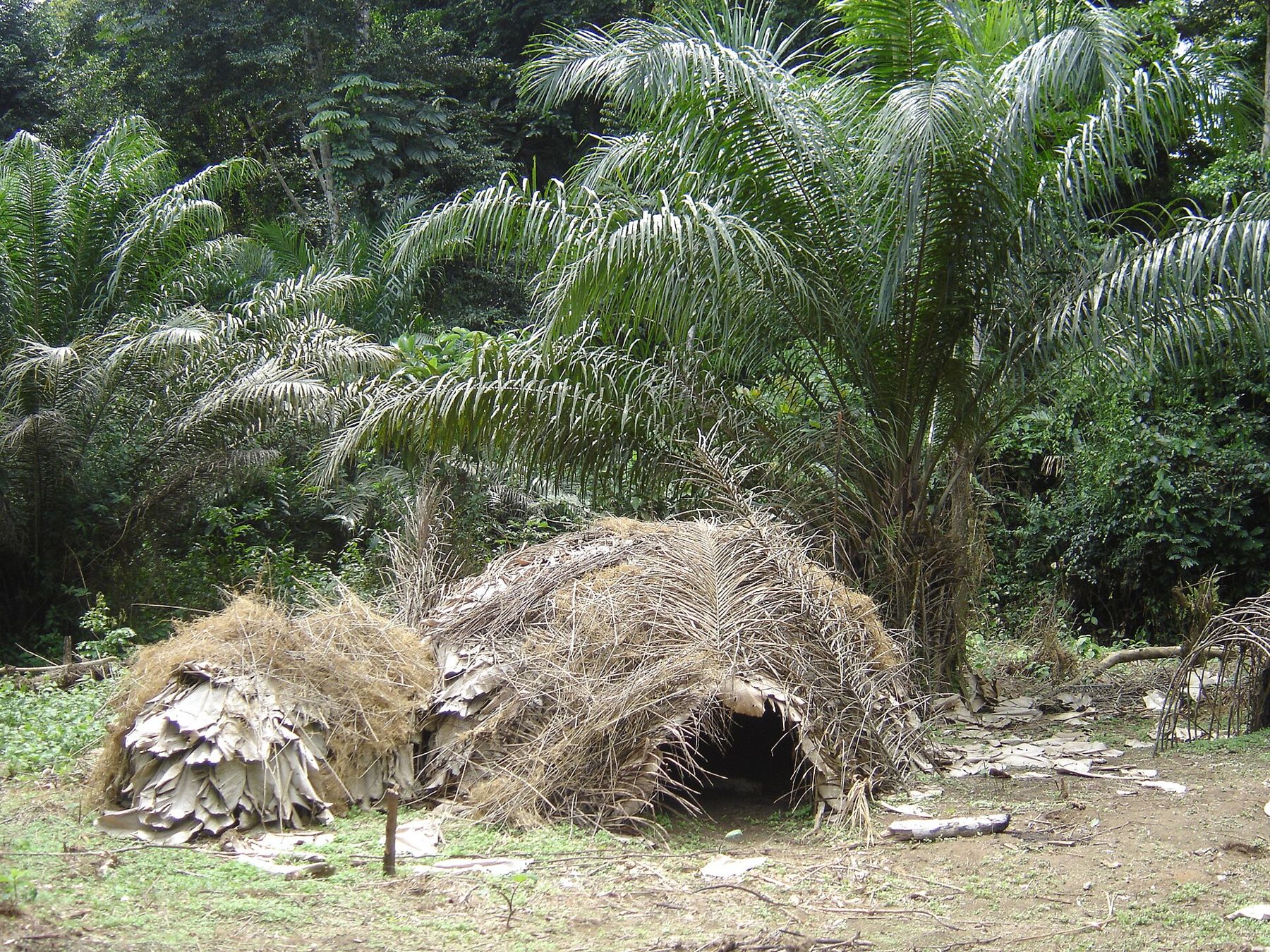
Domed huts built from bent saplings and overlapping leaves are a traditional Baka shelter, quick to raise and well suited to the wet forest. If you visit a village, go with someone the community knows, greet people before anything else, and ask before taking any photographs. Never treat a settlement as a sight to tick off. Many guides and porters on trips into the reserve come from these villages, and their skill in the forest is the main reason a visit is possible at all.
Detour / détourYaoundé, the city on seven hills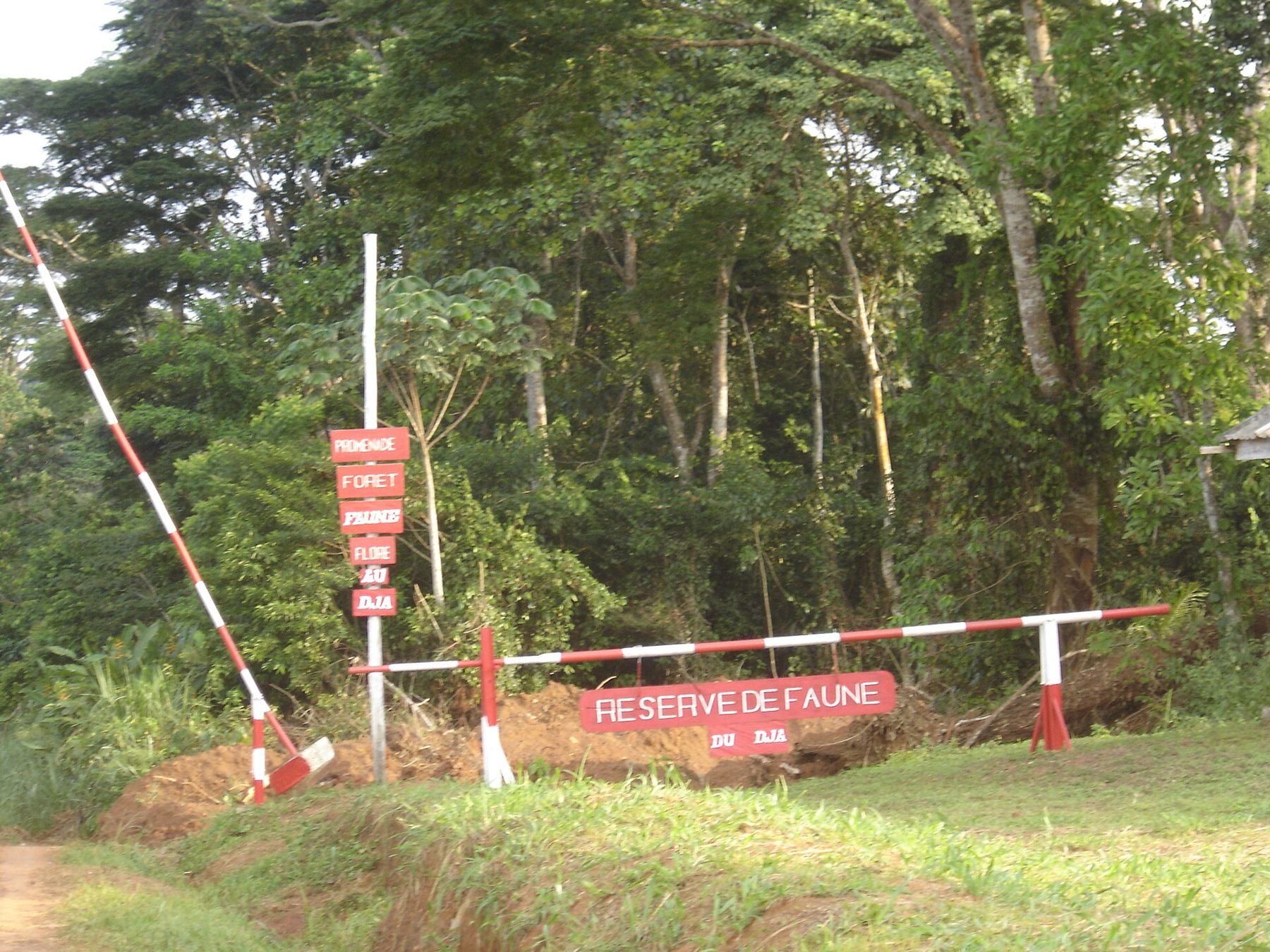
Getting in Accéder à la réserve
Access is the hardest part. The usual approaches are from the villages on the reserve's edges, such as Somalomo on the north-western side and Lomié to the east. Reaching them from Yaoundé means a long drive east, first on paved road and then on laterite tracks through logging country. In the rainy months those tracks become deep mud, bridges can wash out, and a journey that takes a day in the dry season can take several.
Entry requires authorisation from the wildlife and forest authorities, and you should arrange it before you leave the capital, where you can also ask about current conditions. Rules, fees and procedures change, so check before you go. Hire guides and porters locally, agree the route, the number of days and the payment clearly at the start, and carry enough cash for everything: there are no banks or cash machines near the forest.
Plan for time as much as distance. A worthwhile trip into the reserve usually takes several days on foot, and the days around it, for permits, travel and rest, add more. Build in spare days for vehicle problems, rain and slow river crossings, and do not book an onward flight that depends on everything going to plan.
Inside the reserve you walk, sometimes for many hours, on narrow paths that cross streams and swamps. Some trips also use a dugout canoe on the river. You camp in the forest or in very simple shelters, so you need a tent or hammock with a mosquito net, a water filter or purification tablets, food for the whole trip and a reliable torch.
When to go and what to expect Quand partir et à quoi s'attendre
The forest is wet all year, but the main dry season, roughly December to February, makes the roads and paths easier. A shorter, less reliable dry spell often comes around July and August. Even in the driest months, expect rain, heat, humidity, sweat bees, ants and leeches in places.
Your health needs planning. A yellow fever vaccination certificate is required to enter Cameroon, malaria is common in the forest, and medical help is days away. Speak to a travel health clinic well before departure, carry a full first-aid kit, and have insurance that covers evacuation. Tell someone your plans and expected return date.
The East region has no conflict of the kind seen in the Northwest, Southwest and Far North, but conditions anywhere can change, and remote roads carry their own risks. Read your government's current travel advice before planning. For more on visas, seasons and getting around the country, see the guide to planning a trip. Then give the forest time: a short visit rarely shows much, and the reserve is best for travellers who value the place itself more than a list of sightings.