Before you go / Avant de partir
Planning a trip to Cameroon
A long, varied country of coast, forest, highlands and Sahel, Cameroon rewards careful planning: around entry rules, the seasons, two official languages, slow roads and a security picture that varies by region.
Entry rules Formalités d'entrée
Most visitors need a visa to enter Cameroon, arranged before travel. Procedures, documents and fees vary by nationality and change over time, and an online application may be available for some travellers, so check with the nearest Cameroonian embassy or consulate well before you go. Your passport should have plenty of validity left and blank pages.
A yellow fever vaccination certificate is required to enter the country, and you may be asked for it at the airport. Malaria is present throughout Cameroon; talk to a travel health clinic about prevention, other vaccinations and what to carry, several weeks before departure. Travel insurance that covers medical evacuation is strongly advised.
Cameroon uses the Central African CFA franc. Cash machines are found in cities and larger towns, but may not accept every card, and outside the cities cash is usually the only option. Carry a mix of small notes.
Seasons, north and south Les saisons, du nord au sud
Cameroon stretches from the Gulf of Guinea almost to Lake Chad, and the climate changes along the way. In the south, including Douala, Yaoundé, the forest and the coast, there are two rainy seasons and two drier ones. The main dry season runs roughly from December to February, and a shorter, less reliable dry spell often comes around July and August. The coast near Mount Cameroon is one of the wettest places in Africa.
In the north there is a single rainy season, usually from around June to September, followed by a long dry season. November to February is warm and clear; March to May is very hot. On the high plateaus of the west and Adamawa, nights can be cool all year.
For most of the country, the months from November to February are the easiest for travel, with dry roads and clear skies, though the harmattan can bring dusty haze from the Sahara.
Two official languages Deux langues officielles
Cameroon has two official languages, French and English, a legacy of its history: German Kamerun was divided after the First World War into French and British mandates, French Cameroun became independent in 1960, and in 1961 the southern part of the British territory joined it to form a federal republic. French dominates in eight of the ten regions; English is the main official language in the Northwest and Southwest.
Alongside them, Cameroonians speak around 250 national languages. Cameroonian Pidgin English is widely used in the west and in cities, and Fulfulde is a common language across the north. A little French goes a long way almost everywhere; greetings in French, and patience, open more doors than anything else.
Detour / détourYaoundé, the city on seven hillsGetting around Se déplacer
Most international flights arrive at Douala, with some at Yaoundé's Nsimalen airport. Domestic flights are limited and schedules change, so check before you go. Distances are large: Douala to Yaoundé is a few hours by road on a good day, and the far north is two days or more from the coast overland.
A sensible first trip combines one or two regions rather than trying to cover the whole country. The coast and Mount Cameroon area, Yaoundé and the southern forest, or the West region's chiefdoms can each fill a week or more without long overland transfers.
Intercity coaches link the main cities and towns, leaving from company depots rather than central stations; book a day ahead and ask about departure times. Shared taxis and minibuses fill gaps between smaller places. A railway runs between Douala and Yaoundé, and from Yaoundé north to Ngaoundéré, as described in the Ngaoundéré and Adamawa story.
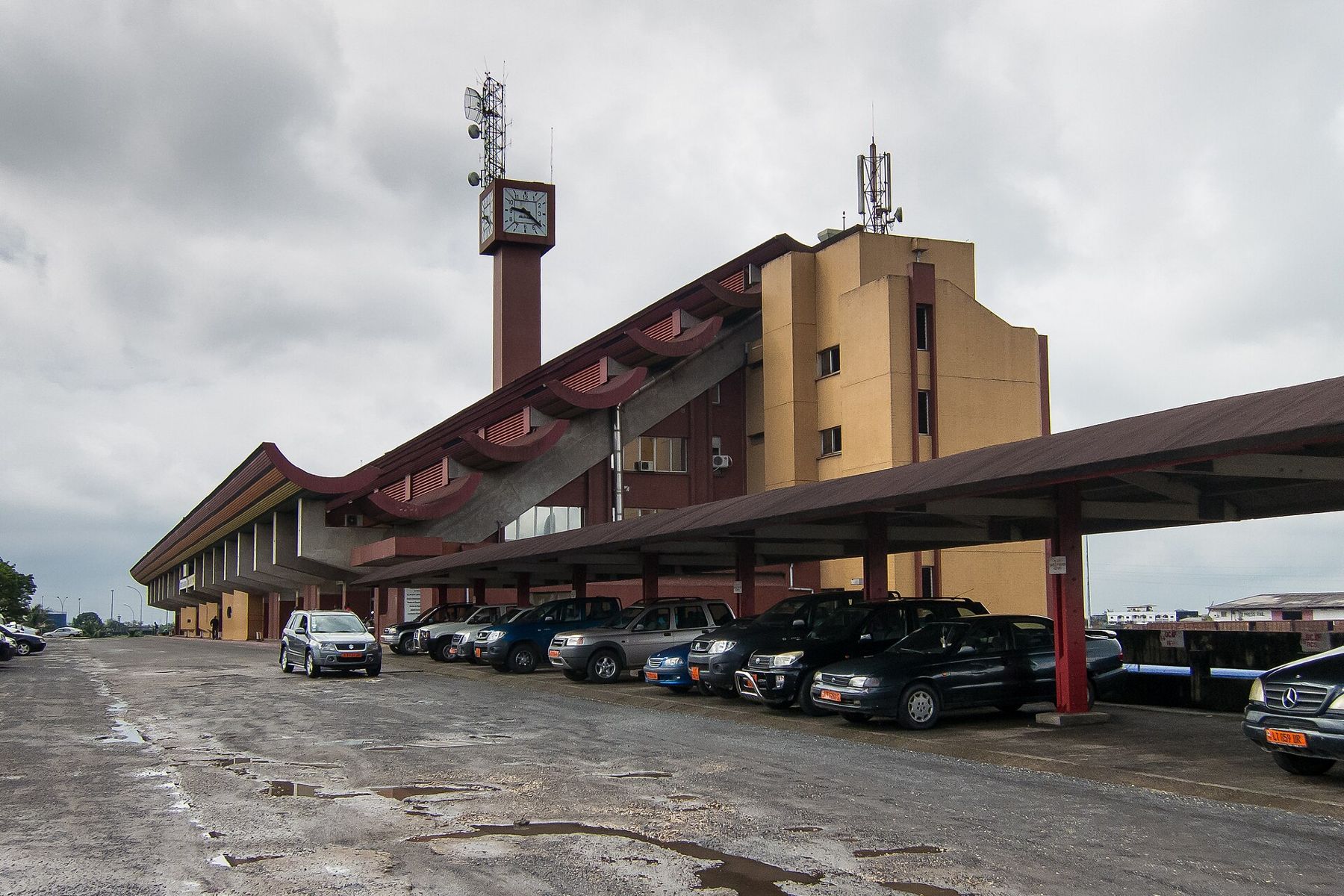
Roads vary from good highways to deep-rutted laterite tracks that become mud in the rains. Avoid travel at night, when accidents and crime are more likely. Police and gendarmerie checkpoints are common; carry your passport or a certified copy, stay calm and polite, and keep documents in order. Hiring a car with a driver is often wiser than driving yourself.
Security, plainly La sécurité, sans détour
Parts of Cameroon have serious security problems. In the Northwest and Southwest, an armed conflict linked to the Anglophone crisis has continued since 2016, with violence, kidnappings and curfews. In the Far North, armed groups operating near the Nigerian border have carried out attacks and kidnappings for years. Parts of the Adamawa, North and East regions have also seen kidnappings and banditry on rural roads.
Before planning, read your government's current travel advice, which can change at short notice and can affect your insurance. Ask locally before every journey. Many visitors focus on the coast, Yaoundé, the West region and the southern forest, described in stories such as Kribi and the Lobé falls and the chiefdoms of the Bamileke plateau, but conditions in any region can change.
Respect and photographs Respect et photographies
Greetings matter in Cameroon: say good morning or good afternoon before asking anything, and take time over introductions rather than rushing to business. Dress modestly, especially in the north and when visiting palaces or places of worship. At chiefdoms and palaces, greet the chief's representative, ask permission before photographs and expect a fee.
Do not photograph government buildings, military or police sites, airports or bridges, and always ask before photographing people. Carry some cash for small purchases, keep valuables out of sight in cities, and travel in daylight. For food on the road, see the guide to eating in Cameroon.